
The Virginia Medicaid ARTS Benefit, Explained
August 31, 2026 · 7 min read
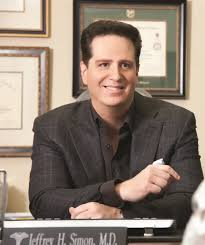
Medically reviewed by Jeffrey H. Simon, M.D.
Medical Director, Virginia Addiction & Mental Health Center · Last reviewed August 31, 2026
ARTS — Addiction and Recovery Treatment Services — is Virginia Medicaid's addiction benefit. It was designed to cover the whole ASAM continuum rather than a few scattered services, which means a Medicaid member in Virginia can access assessment, outpatient counseling, IOP, PHP, residential care, withdrawal management, and medication-assisted treatment under one benefit.
What ARTS covers, level by level
- ASAM Level 1: outpatient counseling and psychiatry, typically under nine hours a week.
- ASAM Level 2.1: intensive outpatient, nine or more hours a week for adults.
- ASAM Level 2.5: partial hospitalization, 20 or more hours a week.
- ASAM Levels 3.1–3.7: clinically managed and medically monitored residential treatment.
- ASAM Levels 3.7-WM and 4-WM: withdrawal management, inpatient and medically managed.
- Opioid treatment programs and office-based addiction treatment: MAT with buprenorphine, naltrexone or methadone.
- Peer recovery support and case management: covered as distinct services, not add-ons.
How your managed care plan fits in
Most Virginia Medicaid members receive ARTS through a managed care organization — Anthem HealthKeepers Plus, Optima Family Care (Sentara), Aetna Better Health of Virginia, Molina Healthcare, or UnitedHealthcare Community Plan. Your MCO maintains the provider network and handles service authorization. Members not in managed care access ARTS through Medicaid fee-for-service.
Cost sharing under Medicaid is minimal to none, which makes ARTS one of the most financially accessible routes into treatment in the Commonwealth.
Getting an ARTS level of care determination
Access starts with a clinical assessment by a credentialed provider using ASAM criteria. The assessment scores six dimensions: acute intoxication and withdrawal potential; biomedical conditions; emotional, behavioral or cognitive conditions; readiness to change; relapse and continued use potential; and your recovery environment. The result is a recommended level of care that your plan then authorizes.
If you are unsure where you would land, our level of care tool gives a plain-language starting point in a couple of minutes, and a clinician confirms it during intake.
What to do if a service is denied
Medicaid members have appeal rights through both the managed care plan and the Virginia Department of Medical Assistance Services. Request the denial in writing along with the criteria applied, and ask your provider for a peer-to-peer review. Appeals succeed more often than people expect when the clinical documentation is specific.
How ARTS compares to commercial insurance
Members moving from an employer plan to Medicaid are often surprised in a good way. There is no deductible to burn through, no coinsurance percentage, and no out-of-pocket maximum to chase — the financial barrier that keeps people out of partial hospitalization and intensive outpatient on commercial plans mostly disappears.
The trade-off is network breadth. Fewer programs are ARTS-credentialed than accept commercial plans, so placement can take longer at the residential level. For a side-by-side view of what treatment costs on each path, see how much rehab costs in Virginia.
Finding an ARTS provider
- Your managed care plan's directory — filter for substance use or behavioral health at the ASAM level you were assessed for.
- The behavioral health line on your card — plans keep dedicated care coordinators for ARTS placement.
- Your local Community Services Board — every Virginia locality has one, and they provide assessment, outpatient care, and MAT.
- Peer recovery specialists — a covered ARTS service in their own right, and often the fastest route to a real appointment.
Have your member ID, a medication list, and a short history of substances used and last use ready before you call — the same items covered in what to expect during intake.
Care coordination, peer support, and staying enrolled
Two ARTS services are underused. Care coordination assigns someone to manage transitions between levels of care, which is precisely where people fall out of treatment. Peer recovery support pairs you with someone who has lived experience, and the evidence for retention is strong.
The other practical risk is administrative: Medicaid eligibility is redetermined periodically, and a missed renewal letter ends coverage mid-episode. Keep your mailing address current with the Department of Social Services, open plan mail, and tell your provider immediately if a renewal notice arrives — most programs will help you complete it rather than watch treatment stop.
Co-occurring mental health conditions
ARTS covers addiction services, and Virginia Medicaid separately covers mental health care, so a member with both receives coordinated treatment rather than choosing one. That matters because untreated depression, anxiety, or PTSD is one of the strongest predictors of return to use. Ask any prospective provider whether they deliver integrated dual diagnosis care or refer out for the psychiatric side.
Coverage at our Alexandria center
Our accepted plans vary by product line, so the fastest answer is a benefits check. Call (571) 586-2883 with your member ID and we will tell you exactly what your plan covers here — and, if we are not the right fit, point you toward an ARTS provider who is.
Frequently asked questions
- What is the ARTS benefit?
- ARTS stands for Addiction and Recovery Treatment Services. It is Virginia Medicaid's comprehensive substance use disorder benefit, covering the full ASAM continuum from outpatient counseling through intensive outpatient, partial hospitalization, residential treatment, withdrawal management, medication-assisted treatment, peer recovery support and care coordination.
- Who is eligible for ARTS?
- Virginia Medicaid members of all ages are eligible for ARTS services, including adults covered under Medicaid expansion and members enrolled in managed care plans such as Anthem HealthKeepers Plus, Optima Family Care, Aetna Better Health, Molina, UnitedHealthcare and Sentara.
- Does ARTS cover Suboxone and methadone?
- Yes. ARTS covers medication-assisted treatment including buprenorphine products, naltrexone and methadone through opioid treatment programs, along with the counseling and care coordination that goes with them.
- How do I find a provider that accepts ARTS?
- Start with the provider directory for your managed care plan, or call the behavioral health number on the back of your Medicaid card and ask for an ARTS-credentialed provider at the level of care you need. Community Services Boards in every Virginia locality also provide ARTS services and accept walk-in assessments.
- Is there a cost to use ARTS services?
- Cost sharing under Virginia Medicaid is minimal to none for most members, and there are no copays for substance use disorder services for many eligibility groups. There is no deductible and no out-of-pocket maximum to work through as there is with commercial insurance.
- What if I lose Medicaid eligibility during treatment?
- Tell your provider immediately so they can help with redetermination paperwork or a Marketplace transition. Losing coverage mid-episode does not have to end treatment; providers can often continue care while eligibility is being re-established, and a Marketplace plan qualifies for a special enrollment period after a loss of Medicaid.
- Does ARTS cover mental health treatment too?
- ARTS specifically covers addiction services, but Virginia Medicaid separately covers mental health services, so a member with co-occurring conditions can receive integrated care. Coverage for both is coordinated through your managed care plan.
Talk with our admissions team
A benefits check takes about five to ten minutes and there is no obligation to enroll. We are in-network with major commercial plans and can tell you what your policy covers before you commit.